
Wednesday, March 4th, 2026
Why Creative Downtime Is Normal in a Filmmaking Career
In independent film, momentum rarely moves in a straight line.
There are premieres, packed screenings, buzzing Q&As and then there are quieter stretches. Weeks (sometimes months) where projects pause, funding stalls, and inboxes go still.
At Norwich Film Festival, we see the full arc of a filmmaker’s journey. Behind every selected short or breakout feature is usually a long period of graft, doubt, side jobs, rewrites, and resilience.
If you’re in a quiet season right now – this article is for you.
The Myth of Constant Momentum
Social media can make it feel like everyone else is always:
- On set
- In post
- Announcing funding
- Winning awards
But the reality? Most filmmakers operate in cycles.
Quiet time isn’t career failure. It’s often creative incubation.
The space between projects can become the foundation for your most distinctive work, if you use it intentionally.
What Filmmakers Should Do Between Projects
1. Develop Without Pressure
When there’s no commissioner, no deadline, no brief – you can reconnect with your own voice.
Use the gap to:
- Rewrite a script you rushed before.
- Develop a short proof-of-concept.
- Experiment with tone or genre outside your comfort zone.
- Workshop ideas with trusted collaborators.
The projects that stand out at festivals often carry depth that only time can produce.
2. Strengthen Your Craft
Technical growth compounds.
Quiet months are ideal for:
- Deep-diving into editing workflows
- Refining your lighting setups
- Studying sound design
- Analysing films shot-by-shot
Every skill sharpened now becomes visible in your next submission.
3. Embrace the Side Hustle (without shame)
Many filmmakers fund their creative careers through parallel work and always have.
Side work can:
- Stabilise your finances
- Remove creative desperation
- Expand your perspective
- Provide unexpected storytelling material
Here are a few filmmakers who prove there’s no single route to success.
Filmmakers Who Worked Side Jobs Before Success
Sean Baker
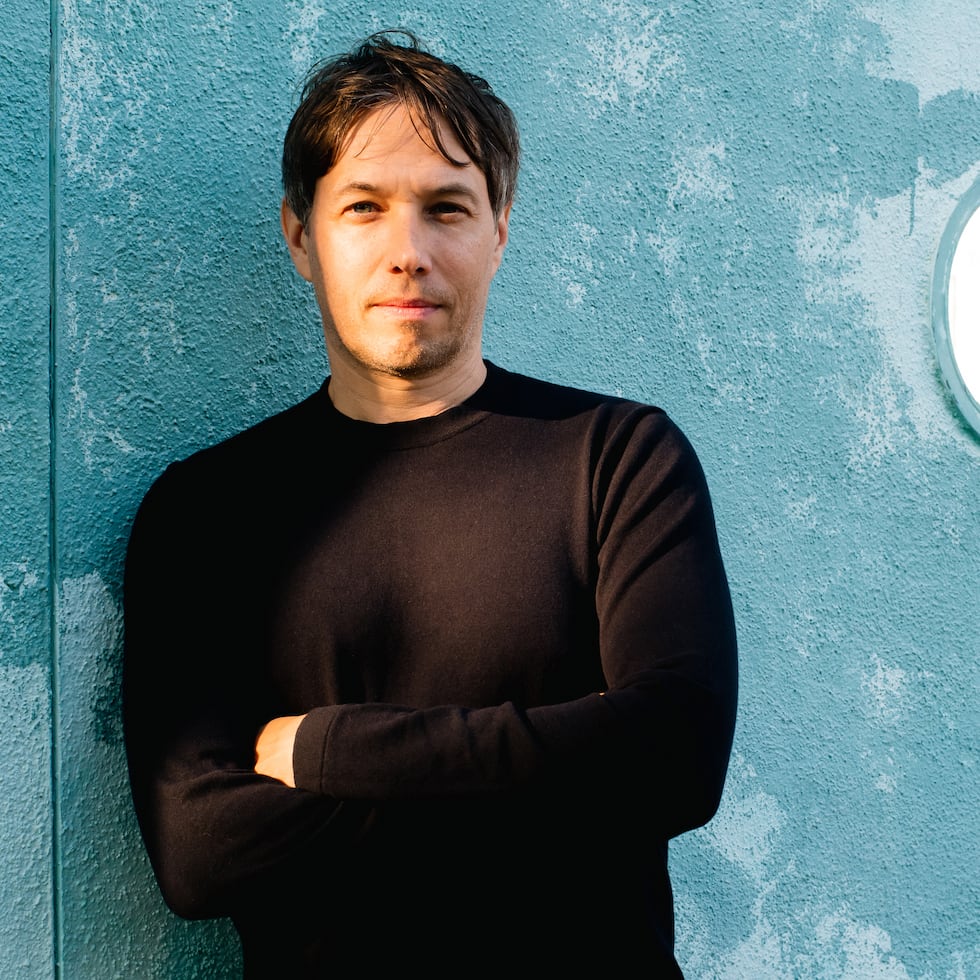
Before international recognition, Sean Baker:
- Edited wedding videos
- Ran a VHS duplication business
- Took on various production jobs
He stayed close to filmmaking in any form available. That persistence eventually led to Tangerine -famously shot on iPhones and The Florida Project, both celebrated for their raw authenticity and bold storytelling. His journey is a powerful reminder that dedication and resourcefulness can pay off in remarkable ways. More recently, his film Anora completed an extraordinary run in 2025, sweeping five Academy Awards and cementing his place among contemporary cinema’s most distinctive voices.
Festival takeaway: Keep making work at the level you can access. Resourcefulness often creates distinctive voices.
Jane SchoenBrun
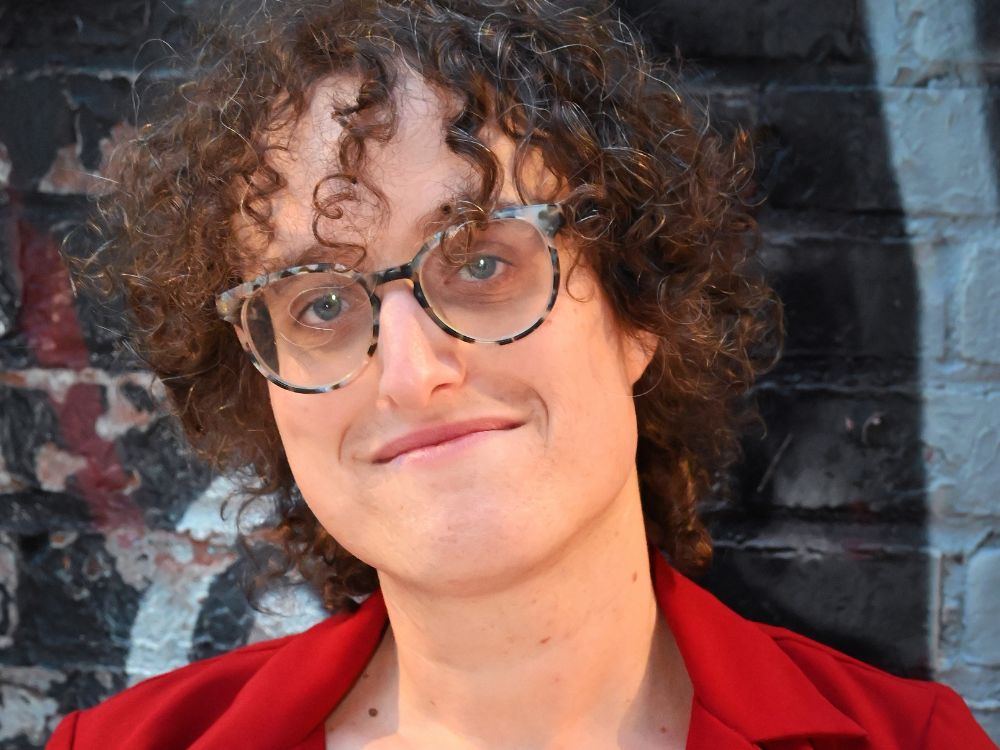
Before achieving independent success as a Filmmaker, Jane Schoenbrun:
- Worked as a Production Assistant with the Safdie Brothers
- Was a magazine contributor
- Fim programmer/Curator
Jane Schoenbrun is known for creating visually distinctive, genre-blending films that explore identity, internet culture, and the emotional landscapes of queer adolescence. Their career highlights include directing the cult horror debut We’re All Going to the World’s Fair and the acclaimed follow-up I Saw the TV Glow, which premiered at Sundance Film Festival and established them as one of the most distinctive emerging voices in contemporary independent cinema.
Festival takeaway: your early career should be about finding your voice and your community. Before directing We’re All Going to the World’s Fair and I Saw the TV Glow, Schoenbrun spent years writing, programming screenings, and exploring internet culture – experiences that shaped the distinctive themes and audiences for their later films.
Guy Maddin

Before building his reputation as an experimental auteur, Guy Maddin worked as:
- A bank manager
- A house painter
- A photographic archivist
His unconventional background fed directly into his textured, archival-inspired cinematic style.
Festival takeaway: Your non-film experiences aren’t distractions. They are creative assets.
Directors Who Started Their Careers Later in Life
Ridley Scott

Ridley Scott directed his first feature at 40.
Before that, he built a prolific career in advertising. That commercial precision shaped the iconic visual language of Alienand Blade Runner.
Festival takeaway: Time spent elsewhere in the industry is not time lost. Skills compound.
Michael Haneke
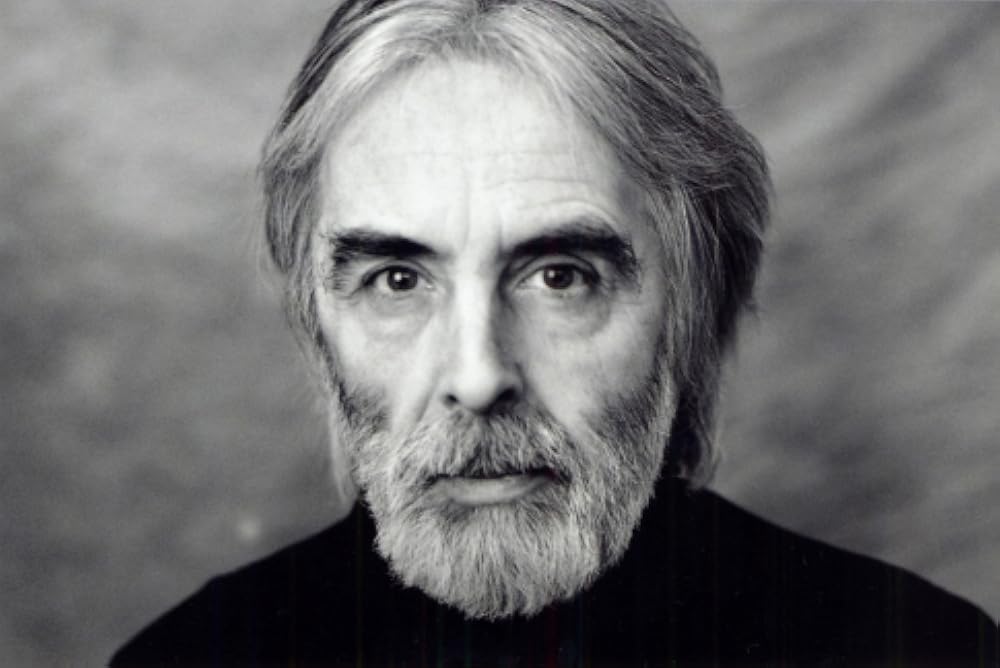
Michael Haneke directed his first feature at 47, after years in theatre and television.
International acclaim followed later in life.
Festival takeaway: There is no age limit on cinematic relevance.
Robert Rodriguez
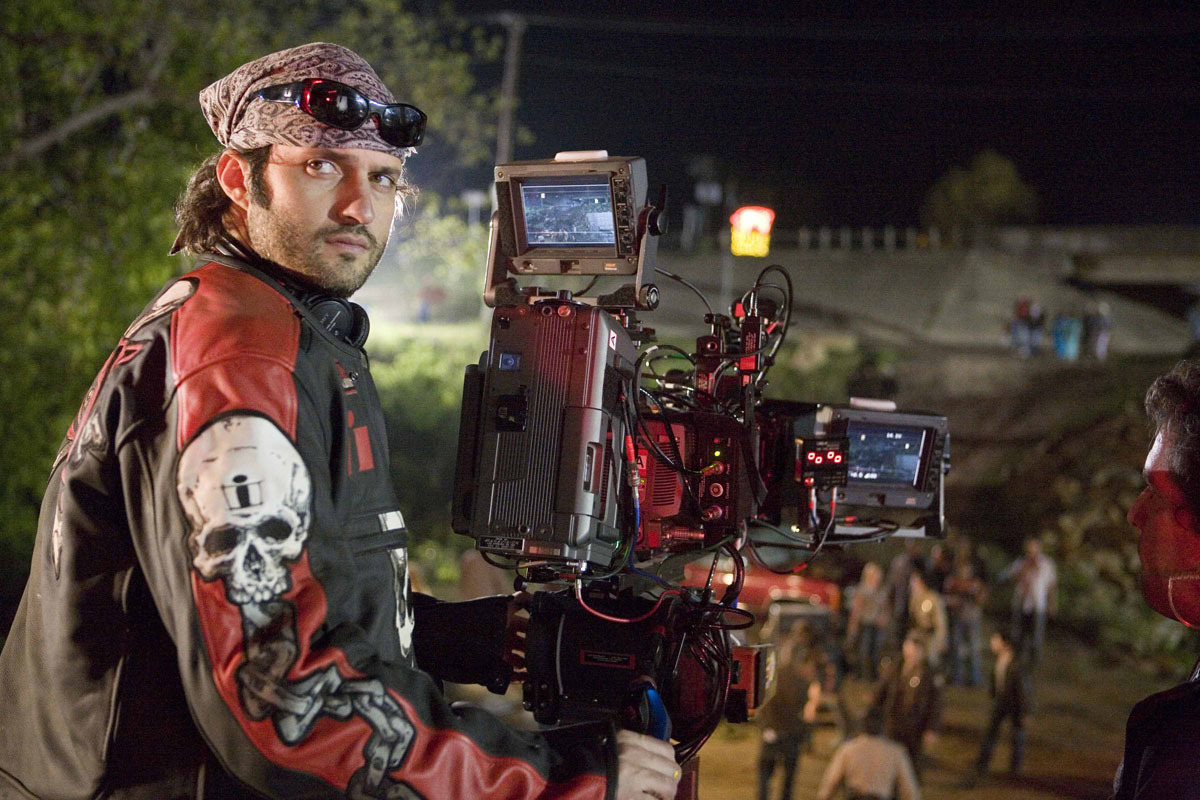
To finance El Mariachi, Robert Rodriguez:
- Participated in paid medical research studies
- Took on multiple production roles
- Embraced ultra-low-budget ingenuity
He turned limitations into style.
Festival takeaway: Constraints can sharpen your voice rather than dilute it.
How to Stay Motivated During Quiet Seasons in Filmmaking
If you’re between projects right now:
- It doesn’t mean you’ve stalled.
- It doesn’t mean you’ve peaked.
- It doesn’t mean you should quit.
Most filmmakers whose work screens at festivals have experienced:
- Years of rejection
- Funding setbacks
- Self-doubt
- Financial juggling
What sets them apart isn’t uninterrupted momentum.
It’s endurance.
Practical Steps for Your Next 30 Days
- Commit to one short creative experiment.
- Reconnect with three collaborators.
- Attend screenings and industry events locally.
- Watch past Norwich Film Festival selections and analyse what made them resonate.
- Submit your next project when it’s ready – not when it’s perfect.
Advice from Norwich Film Festival for Emerging Filmmakers
We programme bold work. But bold work is rarely born in chaos.
It’s shaped in quiet rooms. In rewrites. In small experiments. In the in-between.
If you’re in that in-between right now, stay there long enough to grow.
Out of silence often comes your most distinctive voice.
And we look forward to seeing it on screen.
Posted in: Blog, Advice, NFF 2026
