Wednesday, July 1st, 2026
The submission deadline for Norwich Film Festival 2026 has now passed.
Over the last six months, filmmakers from around the world have trusted us with their stories, and our programming team is now beginning the exciting challenge of watching more than 1399 short films before selecting the final programme for this year’s festival and awards.
Over the coming weeks we’ll be debating favourites, discovering new voices, championing emerging talent and narrowing down an incredibly competitive field to the films that will ultimately be showcased on the big screen this November.
It’s a question we’re often asked by filmmakers:
What exactly are festival programmers looking for in a great short film?
The honest answer is that there isn’t a formula.
Some films make us laugh. Some move us to tears. Some challenge our perspectives. Some stay with us for days, even years, after the credits roll.
But after watching thousands of short films over the years, there are certain qualities that consistently help a film rise above the crowd.
- The films that make us lean forward in our seats.
- The films we can’t stop talking about afterwards.
- The films that make us want to tell everyone we know, “You’ve got to see this.”
Here’s what we’re looking for in a great short film.
It Grabs You Quickly
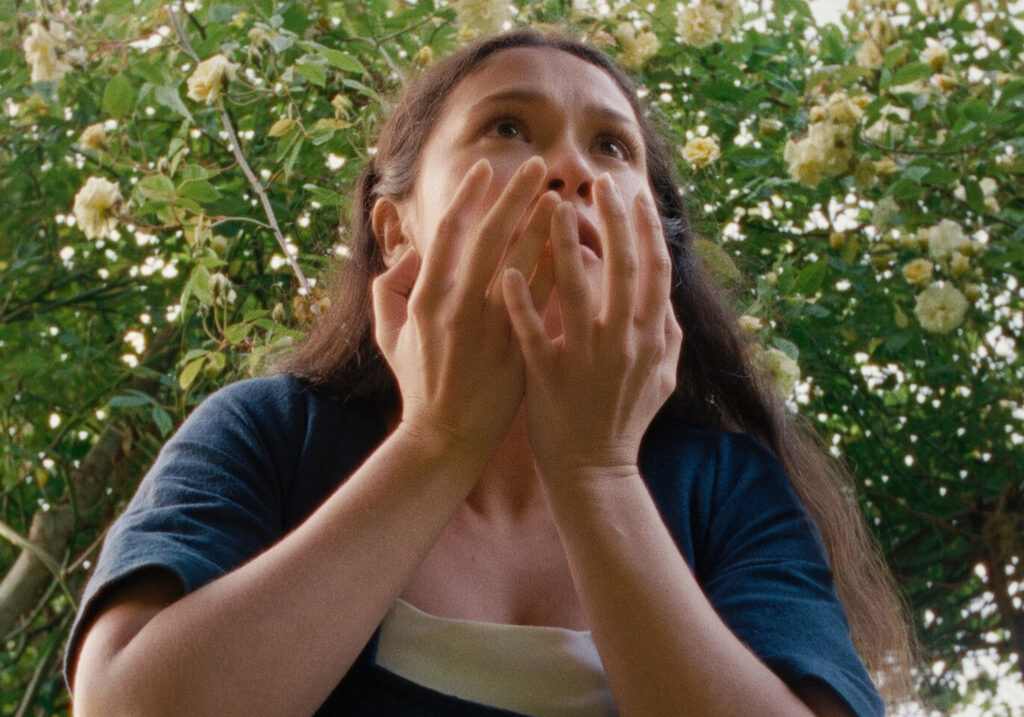
A short film doesn’t have the luxury of time. Unlike a feature, which can spend twenty minutes establishing its world and characters, a short film has to earn your attention almost immediately.
In many of the strongest shorts, audiences are able to connect with, understand or become curious about the central character within the first 30 to 60 seconds.
That doesn’t mean revealing everything at once. It means giving viewers a reason to care.
- Who is this person?
- What do they want?
- What might happen next?
The audience doesn’t need all the answers. They simply need a reason to keep watching.
It Has a Distinctive Voice
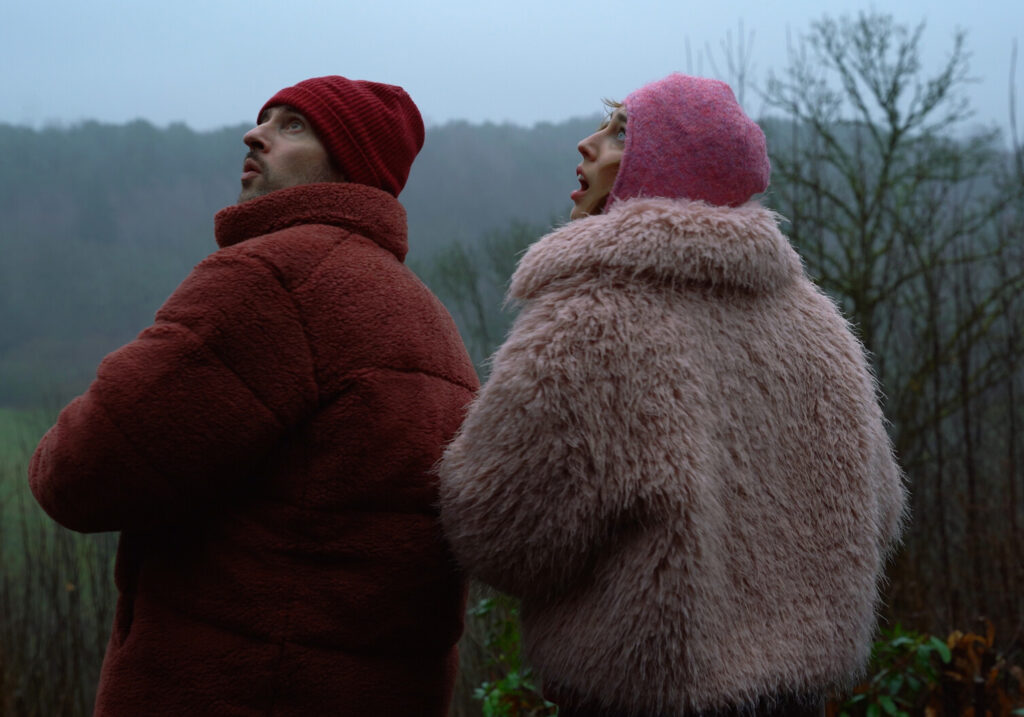
One of the most common pieces of feedback from festival programmers is that many films are well made, but few feel truly unique.
A great short film often feels like it could only have been made by one person.
Whether it’s a unique perspective, an unusual visual style, a fresh subject matter or a particular sense of humour, individuality matters.
The films that stay with us tend to have a strong creative voice behind them.
They’re not trying to imitate someone else’s work.
They’re telling a story in a way that feels authentic to the filmmaker.
As filmmakers, it’s tempting to chase trends or recreate films we admire. But often the most memorable work comes from embracing what makes your perspective different.
It Makes You Feel Something
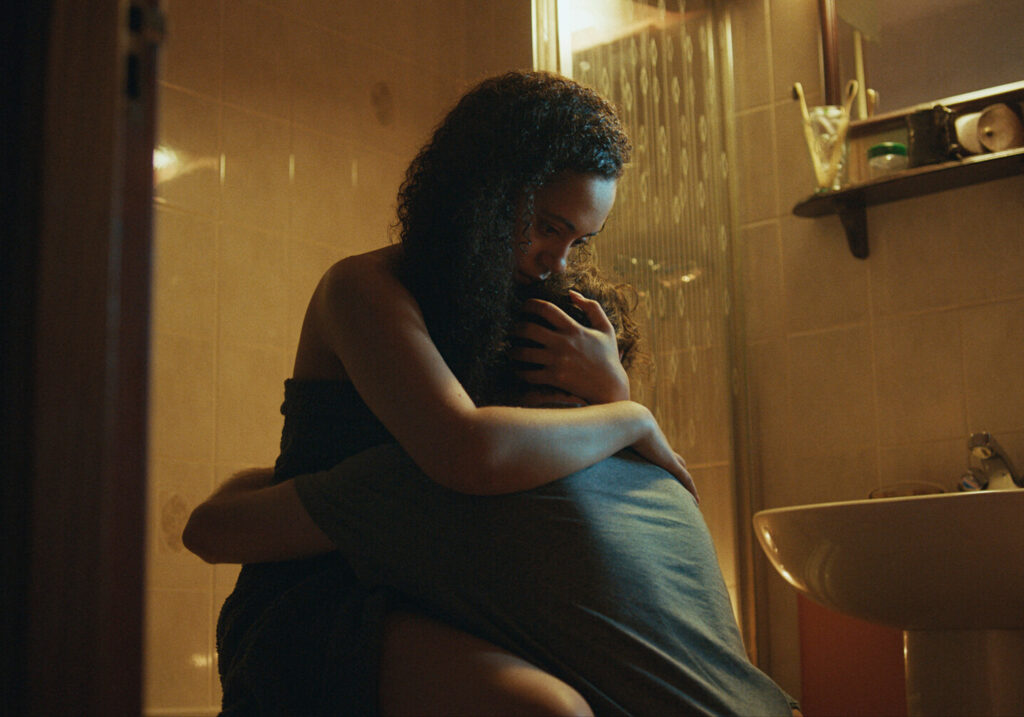
For us, one of the simplest tests of a great short film is whether it creates that immediate feeling of excitement.
The feeling of wanting to turn to someone and say: “You need to watch this.”
- Maybe it’s a story you’ve never heard before.
- Maybe it’s a unique perspective.
- Maybe it’s a brilliant performance, a bold visual style or an ending that catches you completely off guard.
Whatever the reason, the best short films create a reaction.
At Norwich Film Festival, these are often the films people continue discussing long after the screening has ended.
It Understands Storytelling
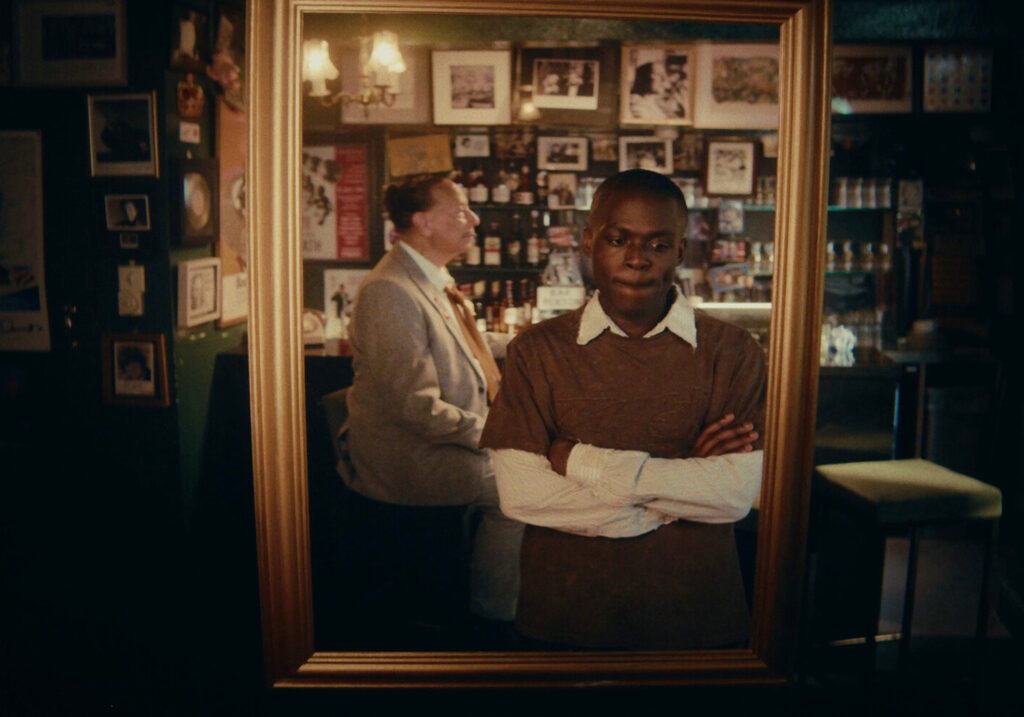
Many of our favourite short films share one thing in common: they tell a complete, satisfying story in a remarkably short amount of time.
In five, ten or fifteen minutes, they introduce memorable characters, establish stakes, create conflict and deliver a meaningful payoff.
- They don’t feel rushed.
- They don’t feel incomplete.
- Every scene serves a purpose.
- Every moment pushes the story forward.
The strongest filmmakers understand that short films aren’t smaller versions of features. They’re a unique art form that demands clarity, precision and discipline.
Mastering that skill is what separates good filmmakers from great storytellers.
It Creates a World
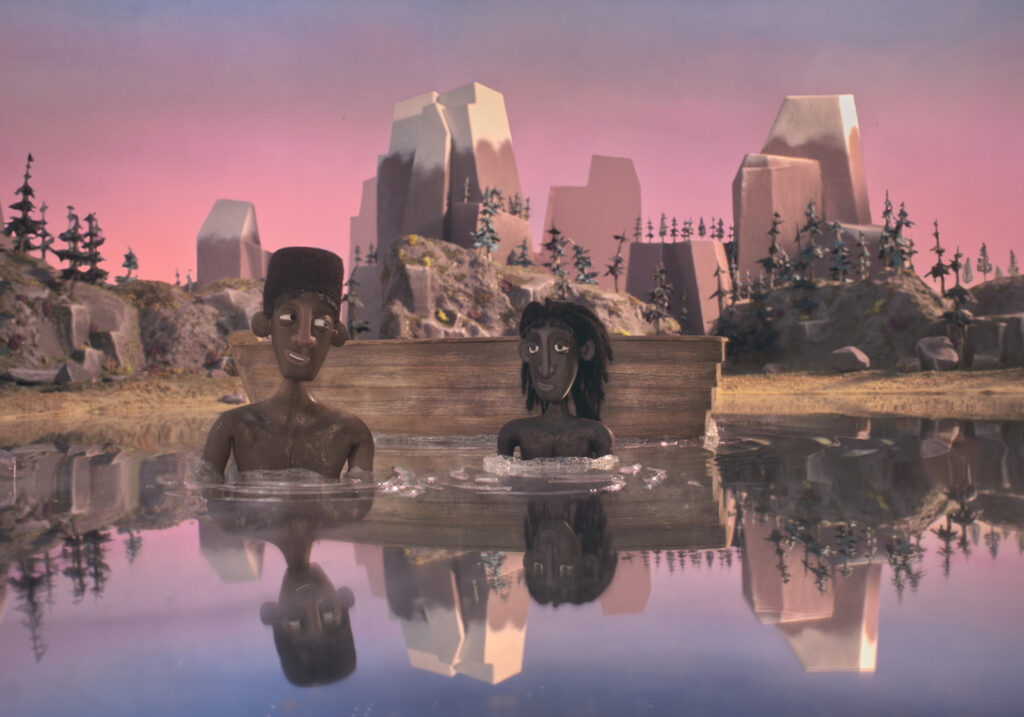
Great short films don’t just tell stories. They immerse us in a world.
That world might be a distant planet, a Norfolk village, a family kitchen or a single room.
What matters is that it feels believable.
Through visual detail, performance, production design and atmosphere, audiences quickly understand where they are and how the world operates.
The best filmmakers understand that world-building isn’t about scale.
It’s about specificity.
The Characters Feel Real

A common misconception is that short films need complex plots.
In reality, audiences often connect more strongly with characters than concepts.
A simple story with a compelling character will usually resonate more than an elaborate narrative with nobody to care about.
Whether heroic, flawed, funny or frustrating, memorable characters feel authentic.
We recognise something of ourselves in them.
And when we care about them, we care about what happens next.
The Technical Basics Matter
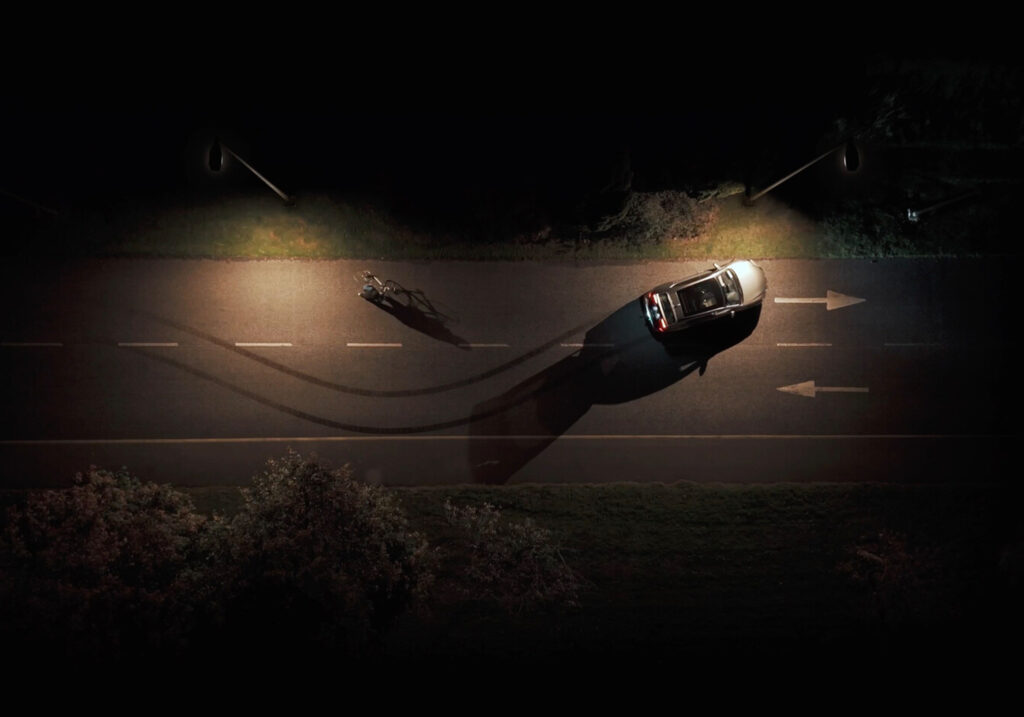
Technical perfection doesn’t automatically create a great film. But poor technical execution can stop a great film from reaching its potential.
Every festival programmer has encountered films with brilliant ideas that are undermined by:
- Difficult-to-hear dialogue
- Inconsistent sound design
- Distracting editing
- Poor pacing
- Technical issues that pull audiences out of the story
Of all these elements, sound is often the most overlooked.
Audiences will forgive many things. They rarely forgive audio they can’t understand.
Strong technical foundations allow the story to shine.
The best cinematography in the world won’t save a film if the audience can’t hear what the characters are saying.
It Knows Exactly What It Is
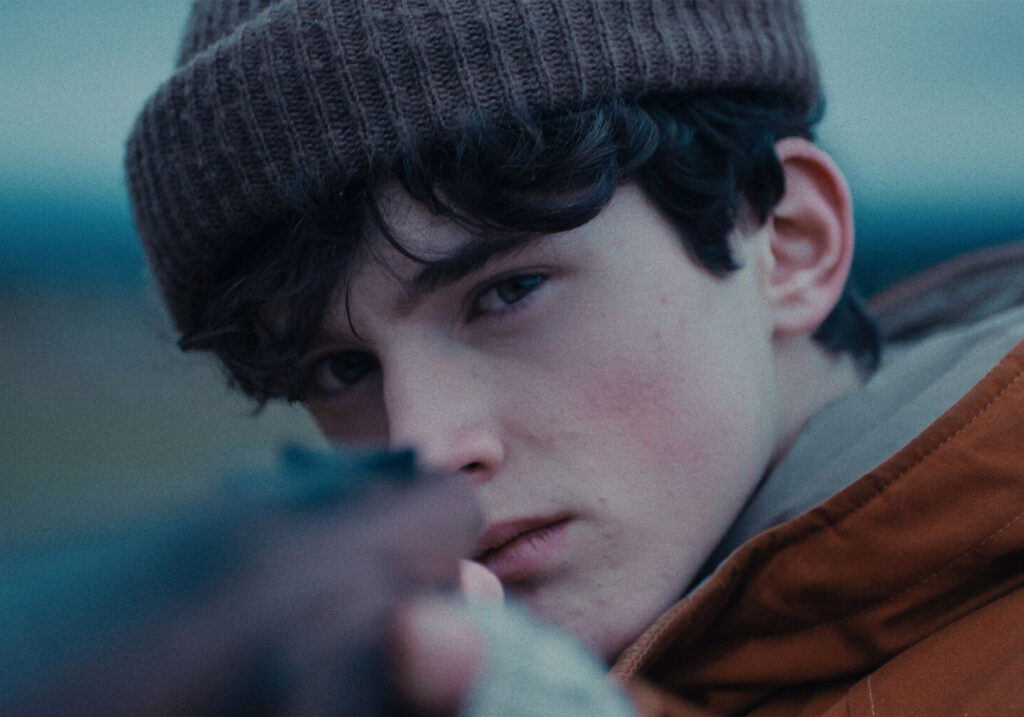
Many emerging filmmakers try to pack too much into a short film.
- Too many themes.
- Too many characters.
- Too many ideas.
The strongest shorts tend to be focused. They know what they want to say and who they want us to follow.
Rather than trying to tell every story, they tell one story exceptionally well.
Sometimes the most powerful short films are also the simplest.
It Leaves Something Behind

The very best short films leave a mark.
- Sometimes that’s an unforgettable image.
- Sometimes it’s a character.
- Sometimes it’s a question that stays with you for days afterwards.
Not every great short film provides all the answers. Many leave space for interpretation and discussion.
That’s often why audiences remember them.
It Makes You Want to Share It
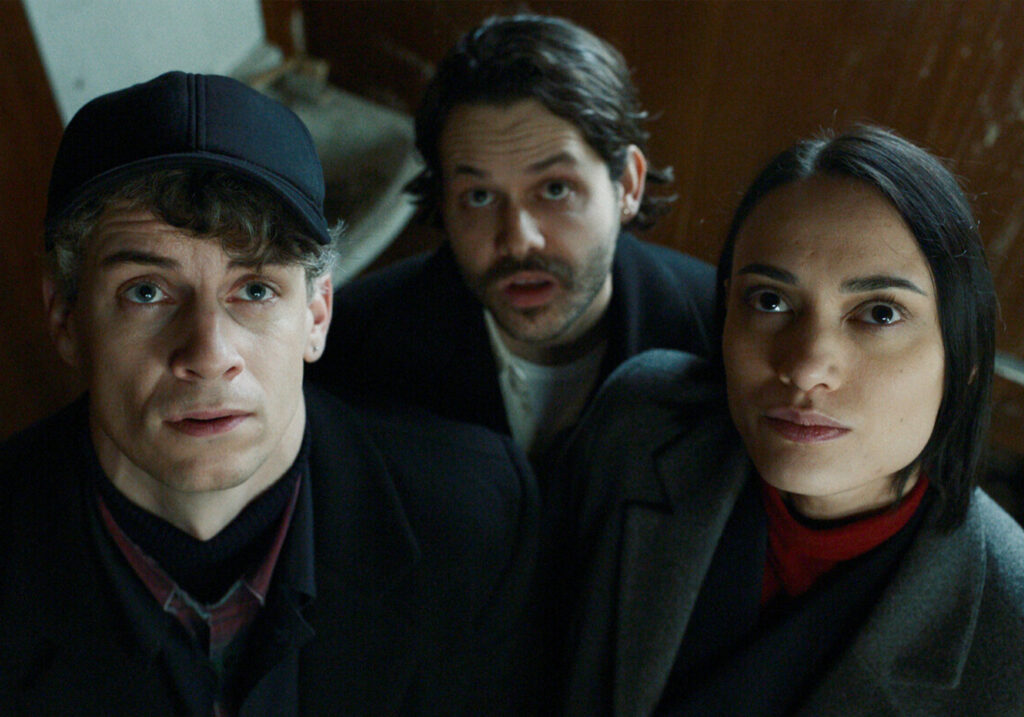
Perhaps the simplest test of all.
When the credits roll, do you immediately want to tell somebody about it?
- Do you want to recommend it?
- Do you want to discuss it?
- Do you want to see what the filmmaker does next?
If the answer is yes, then chances are you’ve experienced something special.
Final Thoughts
There is no perfect recipe for a great short film.
- Some are ambitious and visually spectacular.
- Others are intimate and deceptively simple.
- Some are five minutes long. Others run for twenty.
What they have in common is their ability to connect.
They capture our attention, immerse us in a world, introduce us to memorable characters and make us feel something.
In a sea of good films, great short films find a way to stand apart.
They have a distinct voice. They understand the fundamentals of storytelling. They care about craft. And above all, they make us care.
As our programming team begins the process of watching more than 1399 submissions for Norwich Film Festival 2026, these are the qualities we’ll be looking for.
We can’t wait to discover the films that surprise us, move us, challenge us and ultimately earn their place on the big screen this November.
And who knows? One of them might be yours.
PS. If you’re already planning for 2027, head to our submission page to find everything you need to know about submitting to Norwich Film Festival, including our BAFTA and BIFA qualifying status, eligibility criteria and helpful guidance to give your film the best possible chance.
Posted in: Blog